
Practical Support Between Sessions
These are the handouts, explanations and small experiments we share with families most often — grouped into toileting and pelvic health, regulation and sensory, and daily routines and school. Use what helps, skip what doesn’t, and bring questions to your next session.
The Resource Library
Three places to start, depending on what today looks like.
The Five Ideas Behind Every Session
Play-Based
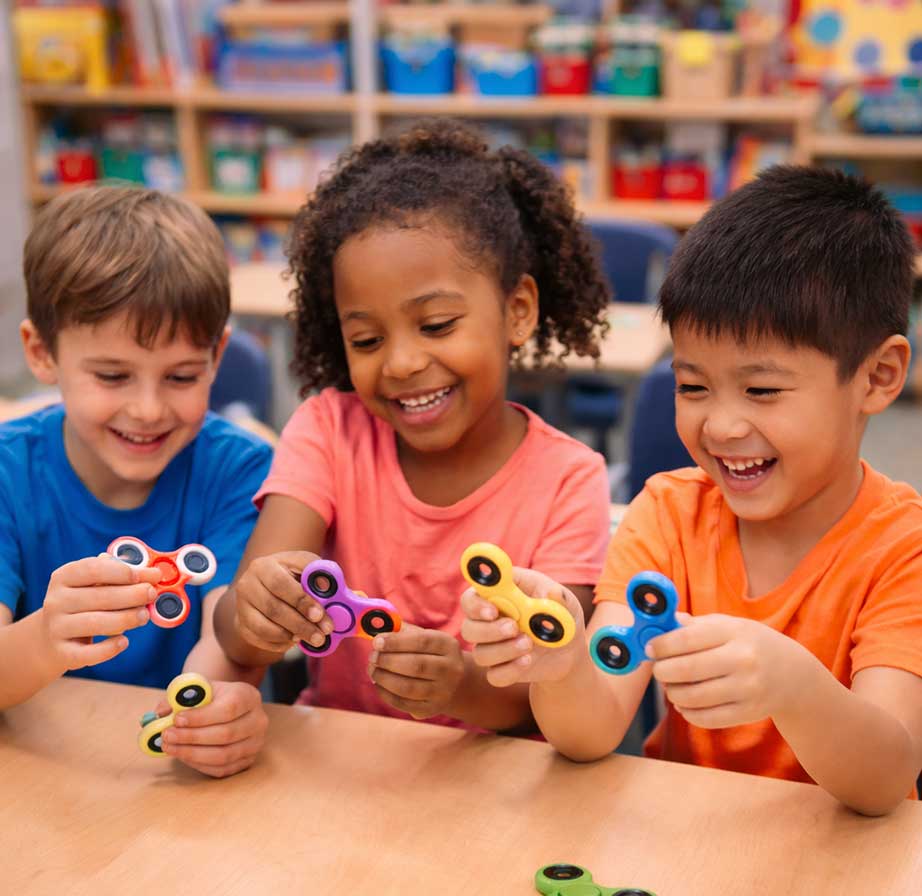
Play is a child’s most important job. Real, lasting progress happens when a child is authentically and joyfully engaged, so we use play to turn therapeutic goals into experiences worth showing up for.
Relationship-Focused
Progress begins with trust. We prioritize empathy and collaboration between your child, you, and us, so everyone in the room feels heard, safe and supported.
Child-Led
Children are usually told what to do and how to act. Our sessions offer something different. By letting your child guide the session we honor their autonomy, reduce power struggles, and work with their natural curiosity — fitting therapeutic goals inside the interests they bring us.
Strengths-Based
Rather than focusing on “deficits”, we lead with what your child does best. Identifying and celebrating their strengths builds the confidence they need to take on the harder things.
Regulation-First
Regulation is the foundation for all learning and participation. We focus on sensory, social and emotional needs so your child can feel steady in their body and engage more successfully in daily life.
Where Else to Look
These are general resources from outside our practice. They’re a starting point, not a substitute for individualized care.
Not Sure Which of These Fits?
Send us a short note about what your child is working through and we’ll point you to the right starting place — or tell you honestly if we’re not the right fit.
Fostering or providing kinship care? See Foster Care Support
Our Approach
Evidence-based care. Child-led sessions. Meaningful progress.
Child-Led
We follow your child’s lead to build trust, engagement, and lasting progress.
Strengths-Based
We focus on what your child can do and build from their unique strengths.
Regulation-First
We support the body and nervous system so learning and growth can happen.
Evidence-Based &
Individualized
We combine proven methods with a plan tailored to your child’s needs.
Pelvic Floor Specialization
Specialized support for toileting, pelvic health, and related challenges.
Neurodivergent-Affirming
We celebrate neurodiversity and honor each child exactly as they are.